
By Legacy 100 Real Estate Partners | Updated April 2026
What You Cannot Do Under the Denver Water Restrictions 2026
Denver water restrictions in 2026 are now mandatory. On March 25, 2026, the Denver Board of Water Commissioners declared a Stage 1 drought — the first such declaration since 2013 — and immediately imposed mandatory outdoor watering restrictions across its service area. The Denver water restrictions 2026 apply to all single-family homes, multifamily properties, and commercial buildings in the service area.
Denver Water is asking all customers to reduce total water use by at least 20%, both indoors and outdoors. The centerpiece of the restrictions is a two-days-per-week outdoor watering limit that runs through October 1, 2026.
If you own or are buying a home in the Denver metro area, understanding these rules isn’t just about staying compliant — it’s about protecting your property, your landscaping investment, and your wallet.
Why Is Denver Under a Drought Emergency?
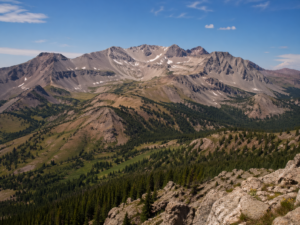
The short answer: this winter was historically bad for snowpack.
Denver Water depends almost entirely on mountain snowpack to refill its reservoirs each spring. This year, that snowpack collapsed to record lows:
- Colorado River Basin: 55% of normal — the worst on record
- South Platte River Basin: 42% of normal — also the worst on record
- Reservoir storage as of April 20, 2026: 80% full, compared to an average of 85% for this time of year
Without intervention, Denver Water’s own modeling showed reservoir storage dropping to just 57% capacity by 2027. According to Denver Water’s water supply manager, the slopes Denver relies on are roughly 7 to 8 feet of snow short of what’s needed — and the snowpack has already started melting ahead of schedule due to record high spring temperatures.
This is not a routine seasonal issue. Experts are calling the current conditions “unprecedented,” making the Denver water restrictions 2026 one of the most serious conservation efforts the city has seen in decades.
Your Assigned Watering Days by Address
Denver Water Restrictions 2026 are in effect now!
Under the Denver water restrictions 2026, your watering schedule is determined by your address number. Here’s how it breaks down:
Single-Family Residential Properties
| Address Ending | Assigned Watering Days |
|---|---|
| Even number (0, 2, 4, 6, 8) | Sunday and Thursday |
| Odd number (1, 3, 5, 7, 9) | Wednesday and Saturday |
All Other Properties (Multifamily, Commercial, HOAs, Government)
- Assigned days: Tuesday and Friday only
Time-of-Day Rules (Applies to Everyone)
- Water only between 6:00 p.m. and 10:00 a.m.
- No watering during the heat of the day (10 a.m. – 6 p.m.)
- Do not let water pool in gutters, streets, or alleys
- Do not spray concrete or asphalt
- Repair leaking sprinklers within 10 days
- Do not irrigate during rain or high winds
- Use a hose nozzle with a shut-off valve when washing vehicles
One Important Note for April and Early May
Denver Water is urging customers not to turn on automatic sprinkler systems until mid-to-late May. There is no need to run irrigation systems in April — the ground is still cool and spring rains often provide adequate moisture. Keeping systems off through May is one of the single most effective steps you can take right now.
Drought Pricing: What Will It Cost You?
On April 8, 2026, the board also approved temporary drought pricing on outdoor water use, effective starting with May water use (which will appear on June bills). This pricing remains in effect through April 30, 2027, or until the board acts again.
Here’s what it means for your bill:
| Usage Tier | Drought Surcharge |
|---|---|
| Tier 1 (essential indoor use — drinking, cooking, bathing) | No surcharge |
| Tier 2 outdoor use | +$1.10 per 1,000 gallons |
| Tier 3 outdoor use | +$2.20 per 1,000 gallons |
The surcharges are added on top of your existing 2026 water rates. The goal is to make excessive outdoor watering more expensive while keeping basic indoor water use affordable for all households.
What You Cannot Do Under Stage 1 Restrictions
Beyond the watering schedule, some activities face restrictions across multiple Denver metro municipalities:

- No filling backyard pools (in some municipalities like Aurora)
- No decorative water features (fountains, etc.)
- Restaurants serve water by request only (in Aurora and some other cities)
- No watering outside your assigned days — violations can result in fines
- No overwatering — water must not run off into gutters or streets
Enforcement is being taken more seriously in 2026. Aurora, for example, has announced stricter enforcement, with immediate violations issued for watering outside restricted days or times (rather than just warnings on first offense).
Cities Affected Beyond Denver
The Denver water restrictions 2026 extend well beyond city limits. Denver Water serves approximately 1.5 million people across the metro area, and many surrounding providers purchase water from Denver Water and generally follow its rules.
Cities and communities in the Denver Water service area include:
- Centennial
- Greenwood Village
- Lakewood (nearly 20 providers within Lakewood purchase from Denver Water)
- Littleton
- Wheat Ridge
Aurora has also declared its own Stage 1 drought independently, with the same 20% reduction goal and two-days-per-week watering limits. Highlands Ranch is in Stage 1 drought restrictions. Broomfield is under a drought watch, and Arvada has announced restriction plans as well.
If you live in the broader Denver metro area — or are considering purchasing a home here — check with your local water provider to confirm your specific assigned days and any local rules that may differ from Denver Water’s guidelines.
How the Denver Water Restrictions 2026 Impact Real Estate
As a Denver metro homeowner or buyer, the 2026 water restrictions have real implications for your property.

For Current Homeowners
- Landscaping stress is real. Lawns and gardens receiving less water during a hot summer will show it. Prioritize trees and shrubs over turf — established trees are far more valuable (and expensive) to replace than grass.
- Xeriscaping is gaining traction fast. Denver Water offers rebates for turf removal, and drought-tolerant landscaping is increasingly seen as a feature, not a compromise, by buyers.
- Sprinkler system maintenance matters. Leaking irrigation systems must be repaired within 10 days under current rules. A well-maintained, efficient system protects you from fines and conserves your water budget.
For Home Buyers
- Ask about irrigation systems. A home with a smart, efficient drip irrigation system is better positioned for drought years than one with an old spray system.
- Evaluate landscaping carefully. Native plants and low-water landscaping aren’t just aesthetically in-demand — they’re genuinely more resilient during restrictions like these.
- Understand HOA rules. Some HOAs have their own watering standards. During drought restrictions, HOAs with large common areas water on Tuesdays and Fridays, which could affect your neighborhood’s appearance during the summer.
- Consider long-term water costs. With drought pricing adding surcharges to higher water tiers, properties with large, water-intensive landscaping will carry higher ongoing operating costs.
The Bigger Picture
Colorado’s water challenges are structural and long-term, not just a one-year anomaly. Homes that are already designed around water efficiency — whether through xeriscaping, smart irrigation, drought-tolerant turf alternatives, or water-efficient fixtures indoors — will carry a growing value premium in the Denver market.
Simple Ways to Cut Your Water Use by 20%
Hitting the 20% reduction target is very achievable with a few consistent habits:

Outdoors:
- Keep automatic sprinklers off until mid-to-late May
- Water deeply but infrequently — long, slow watering encourages deeper roots
- Use drip irrigation for garden beds and shrubs
- Mulch around trees and plants to retain soil moisture
- Let your lawn go dormant — grass recovers; established trees and shrubs do not
- Consider turf removal (Denver Water offers rebates)
Indoors:
- Fix leaky faucets and running toilets immediately
- Run dishwashers and washing machines only with full loads
- Take shorter showers
- Install high-efficiency toilets and showerheads (rebates available)
- Don’t run water while brushing teeth or washing dishes by hand
Denver Water has a weekly Water Watch Report updated each spring and summer — bookmark it to stay current on reservoir levels and any potential escalation beyond Stage 1.
Frequently Asked Questions
How long will the Denver water restrictions 2026 last? The mandatory watering restrictions run through October 1, 2026. The drought pricing is in effect through April 30, 2027, or until the board takes further action.
What happens if I water on the wrong day? Denver Water and local municipalities are actively enforcing restrictions. Penalties vary by municipality, but violations can result in fines. In Aurora, a second watering violation results in an immediate fine rather than a warning.
Are new lawns or newly planted trees exempt? Under Stage 1 drought conditions, irrigation exemptions for newly planted vegetation are not available. Contact Denver Water directly if you have a specific situation.
What is the Water Budget Program? Large, non-residential irrigation customers who cannot comply with two-days-per-week restrictions can apply for a Water Budget Program exemption through June 1, 2026. This allows more flexible scheduling while still achieving a 20% reduction.
Will there be stricter restrictions this summer? Possibly. Denver Water has stated that the Stage 1 restrictions are designed to avoid the need for escalation, but if conservation targets aren’t met or drought conditions worsen, Stage 2 or higher restrictions could follow. Stay tuned to Denver Water’s updates.
I live in the suburbs — do these rules apply to me? It depends on your water provider. Many suburbs in the metro area purchase water from Denver Water and follow similar rules. Check with your local provider. Aurora, Highlands Ranch, Arvada, and others have their own drought declarations as well.
Stay Informed — and Stay Compliant
The Denver water restrictions 2026 represent the most significant conservation effort this city has seen in over a decade, and the conditions driving them are serious. Whether you’re a longtime homeowner, a first-time buyer, or an investor in Denver real estate, understanding these rules protects your landscaping, your budget, and your property value.
Have questions about buying or selling a home in the Denver metro area in 2026? Contact our team — we’re here to help you navigate every part of the Denver market, including what to look for in a home during a drought year. Navigating the Denver water restrictions 2026 while buying or selling a home doesn’t have to be stressful.
Sources: Denver Water (denverwater.org), Colorado Sun, 9News, KDVR Fox31. Information current as of April 2026.
Legacy 100 Real Estate Partners | Denver Metro Real Estate | legacy100re.com