
So How Long Does It Take to Sell a Home in Denver Right Now?
I get asked this question constantly, and I love that people ask it, because it tells me they’re paying attention.
The honest answer? It depends on what you’re selling.
For a single-family detached home in the Denver metro area, you’re looking at an average of 56 days on market as of spring 2026. That’s not alarmingly long but it’s noticeably different from the frenzied pace of 2021 and 2022, when well-priced homes were routinely going under contract in a weekend with multiple offers.
For condos and townhomes, the story is different. That segment is averaging closer to 68 days on market, a nearly 26% increase, with 5.1 months of supply sitting on the market. That’s solidly buyer-favorable territory, and sellers in that segment are feeling it.
So yes, if you’ve heard that things are taking longer to sell in Denver, you heard right. But the reasons behind it matter a lot, because understanding why helps you understand what to do about it.
Wait — Why Are Condos and Townhomes Taking So Much Longer?
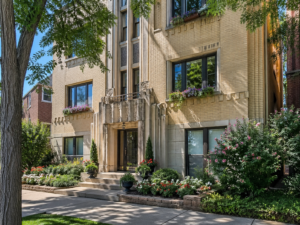
This is the follow-up question I always get, and it’s a great one.
The short answer is: HOA fees and insurance costs.
Here’s what’s happening. Over the past few years, homeowners association dues across Colorado have risen significantly driven largely by skyrocketing insurance premiums. Colorado’s exposure to hail, wildfire, and other climate-related risks has made it one of the most expensive states in the country to insure a multi-unit building. Those costs get passed directly to HOA members in the form of higher monthly dues.
Why does that matter to buyers? Because when a lender calculates whether you qualify for a mortgage, they factor in your full monthly housing payment — including HOA dues. As those dues have climbed, the effective purchase price that buyers can afford has dropped. A condo listed at $400,000 with $600/month HOA fees is a fundamentally different financial equation than the same condo with $300/month dues. More buyers are getting squeezed out of the math.
On top of that, some lenders have become more cautious about financing in certain condo buildings, particularly older buildings or those with deferred maintenance, due to changes following high-profile incidents nationally. That further limits the buyer pool for attached housing.
The result: more condos and townhomes sitting on the market longer, more price reductions, and more seller concessions in that segment.
If you own a condo or townhome in Denver and are thinking about selling, this context matters enormously for how you price and position your home from day one.
Is This a Bad Market for Sellers?
Honestly? Not if you go in with the right expectations.
Here’s how I think about it: the Denver housing market in 2026 is not broken, it’s recalibrated. The pandemic-era conditions where sellers could overprice, under-prepare, and still receive multiple offers were the anomaly. What we have now is closer to a normal, functional real estate market and normal markets reward sellers who price accurately and present their homes well.
Single-family homes are actually doing reasonably well. Pending contracts for single-family homes rose 7.6% recently, sold listings climbed 5.2%, and the median sale price remains a healthy $615,000. That’s not a market in distress; it’s a market in transition.
The sellers who are struggling are the ones who are:
- Pricing based on what their neighbor got in 2022
- Listing a home that needs work without addressing it first
- Treating buyer feedback and low offers as insults rather than data
The sellers who are succeeding are the ones who come in realistic, prepared, and willing to meet the market where it is. Those deals are absolutely still happening every week.
What Can Sellers Do to Move Faster?

Great question — and one I genuinely enjoy answering because there is a lot within a seller’s control even in this market. Here’s what’s making a real difference right now:
Price it right from day one. I cannot stress this enough. In today’s Denver market, an overpriced home doesn’t just sit, it gets stigmatized. Buyers start wondering what’s wrong with it. The longer it sits, the more leverage shifts to the buyer. The data is consistent: homes priced accurately from the start net more money than homes that start high and reduce later.
Understand your total monthly cost picture. Especially for condo and townhome sellers, being upfront and transparent about HOA fees, what they cover, and any upcoming special assessments builds buyer confidence rather than eroding it. Buyers are going to find out anyway, better to own the conversation.
Invest in professional photography. Buyers in 2026 are doing extensive online research before ever scheduling a showing. Your listing photos are your first impression, and in a market with over 13,400 active listings across the Denver metro, standing out online is not optional.
Be prepared to negotiate. Concessions are back. Buyers are asking for closing cost credits, rate buydowns, and repair allowances and in this market, many of those requests are reasonable. A skilled agent will help you evaluate which concessions make sense and which ones to push back on.
Work with a local expert. This is not the market for guesswork. The nuances between neighborhoods, property types, and micro-markets in Denver right now are significant. An agent with deep local experience will position your home correctly from the start and save you weeks of unnecessary market time.
(Read our complete guide to selling your home in Denver →)
What Does This Mean for Buyers?
If you’re on the buying side of this question, the current market is genuinely good news.
More inventory, longer days on market, and sellers who are more willing to negotiate means you have options and leverage that simply didn’t exist two or three years ago. The average days on market ticking up to 56 days means you have time to think, inspect thoroughly, and negotiate without the panic of a 24-hour deadline.
A few things smart buyers are doing right now in Denver:
Looking at listings that have been on the market 30–45+ days. Those sellers are typically the most motivated and most open to price adjustments or concessions.
Factoring in the full monthly cost. Especially with condos and townhomes — make sure you understand the current HOA dues, what they cover, whether there are any pending special assessments, and how all of it affects your monthly payment. (Read our guide to Denver real estate taxes and what to budget →)
Getting pre-approved with current tax figures. As we’ve covered in a previous post, 2026 property tax changes mean your lender’s estimate of your monthly payment may be lower than reality. Pull current assessed values for any home you’re seriously considering.
Not waiting for perfection. Mortgage rates are hovering around 6%, and while that’s higher than the historic lows of the pandemic era, it’s becoming the new normal. The buyers who are moving forward are the ones making decisions based on their personal timing and financial readiness — not on speculation about where rates will go.
(Thinking about moving to Denver? Start here →)
Should I Wait for the Market to Improve?
This is probably the question I get asked most and it’s the hardest one to answer, because the honest answer is: it depends on why you’re moving.
If you’re waiting for Denver real estate to return to 2021 conditions, I’d encourage you to examine that expectation carefully. Most economists and Colorado real estate professionals expect 2026 to continue in much the same direction, modest appreciation for single-family homes, continued pressure on the attached segment, and a market that rewards preparation and realistic pricing rather than urgency.
If you have a real reason to move like a job change, a growing family, a life transition, a desire to stop renting, the market conditions are workable. People are buying and selling in Denver every single week right now. The deals that aren’t happening are the ones where expectations on either side don’t match reality.
“The best advantage in 2026 will come from acting when personal timing and financial readiness align,” said Amanda Snitker, chair of the DMAR Market Trends Committee and I think that’s exactly right. Trying to time the real estate market perfectly is a strategy that usually leads to waiting forever.
The Bottom Line
So, how long does it take to sell a home in Denver in 2026?
For a single-family home that’s priced right and presented well: somewhere in the range of 30–56 days, with well-positioned homes sometimes moving faster.
For a condo or townhome: plan for 68 days or more in most cases, and go in with a pricing strategy that accounts for the HOA cost pressure buyers are feeling.
The Denver housing market in 2026 is not the wild ride it was a few years ago — and honestly, that’s okay. It’s a market where experience, preparation, and local knowledge matter again. And after 40+ years helping Colorado buyers and sellers navigate every kind of market, that’s exactly the environment where our team at Legacy 100 Real Estate Partners does its best work.
Have more questions about the Denver market? Reach out to our team anytime → — we love talking real estate.
Sources: