
What to Look Out for When Buying a House
You can fall in love with a house in about ten minutes. The light in the kitchen, the mountain views from the back deck, the neighborhood that feels exactly right. It happens fast and it feels real.
What also happens fast- if you are not careful- is missing the $40,000 roof that needs immediate replacement. The foundation crack that has been moving for fifteen years. The electrical panel that is a fire hazard waiting to happen. The HVAC system that is going to fail in January.
Most buyers never see these things coming. And by the time they do, they have already invested time and money into inspections.
After more than 50 years in construction and real estate, building in Vail in the 1970s, developing across the Denver metro since the 1980s, and helping over 25,000 buyers and sellers through Legacy 100 Real Estate Partners as the pricipal broker, Jim Weichselbaum has seen every version of this story. The buyer who fell in love with the finishes and ignored the structure. The couple who skipped the walkthrough notes and spent their first year of homeownership writing checks to contractors.
He built a brokerage specifically designed to make sure his clients never become that story. Here is how.
1. Why a Builder’s Eye Sees What a Regular Broker Misses
Most real estate brokers are trained to sell homes. They know market values, negotiation strategy, contract language, and closing processes. That knowledge is genuinely valuable and you need it.
But knowing how to sell a home is not the same as knowing how a home is built. And knowing how a home is built is what tells you when something is wrong.
Jim Weichselbaum came to Colorado as a builder. He knows what goes into a foundation and what it looks like when something has shifted. He knows how a roof should be constructed and what the signs of failure look like from the ground. He knows what proper framing looks like and what cutting corners looks like. He knows the difference between cosmetic damage and structural damage, and that difference can be worth tens of thousands of dollars.
That knowledge does not come from a real estate license. It comes from decades of actually building things and watching what happens when they are not built correctly.
When you walk through a home with a Legacy 100 broker, you are getting something most buyers never have access to. You get a trained builder’s perspective before you ever fall in love with a property.

2. How Jim Trained the Legacy 100 Team to Think Like Builders
One of the things Jim has done over four decades of running Legacy 100 is pass that builder’s perspective on to his team. The brokers at Legacy 100 are not just trained in real estate, they are trained to look at homes the way Jim looks at them.
That means walking in and immediately scanning the ceiling for water stains. Checking the basement for moisture intrusion. Looking at the roofline from the street before you ever open the front door. Noticing the grade of the landscaping and whether water is draining toward the foundation or away from it. Feeling for soft spots in floors that suggest subfloor damage. Checking whether doors open and close smoothly because doors that stick often tell you something about the structure behind them.
These are not things buyers notice on their own. They are not things most brokers notice either. They are things builders notice because they have spent years understanding how homes fail and what the early warning signs look like before failure becomes catastrophic.
When Jim’s brokers walk through a property with a buyer, they are not just showing a home. They are conducting a preliminary assessment that can save that buyer from a very expensive mistake.
3. Walking Through a Home With Legacy 100 Is a Pre-Inspection
Here is a distinction worth understanding before you make your next offer.
A formal home inspection happens after you are under contract. You have already made an emotional and financial commitment to the property. You have written an earnest money check. You have told the seller you want to buy their home. And then, sometimes days later, you find out about the problems.
At that point you have a choice: renegotiate, walk away and lose your time and inspection money, or swallow the issue and proceed. None of those options are as good as never having made the offer on a problematic property in the first place.
Legacy 100’s builder-trained approach to showings functions as a pre-inspection. Before you fall in love, before you write an offer, before you are emotionally invested, Jim and his team are already identifying the red flags that could turn your dream home into a financial nightmare.
This does not replace a formal home inspection. You should always have one. But it means you are not wasting time, emotional energy, and earnest money on properties that were never right to begin with.
The buyers who work with Legacy 100 make smarter offers because they are working from better information. That is not a marketing claim, it is the direct result of 50 years of building experience applied to every single showing.
4. What a Bad Roof Really Costs You
Let’s talk numbers and be very clear about what you stand to lose.
A full roof replacement in Denver in 2026 runs anywhere from $15,000 to $40,000 or more depending on the size of the home, the pitch of the roof, and the materials required. If the roof has active leaks, add interior damage like drywall, insulation, or potentially structural members that can push the total well beyond that.
A trained eye can assess a roof’s condition from the ground. Visible sagging, missing or curling shingles, granule loss on asphalt shingles, damaged flashing around chimneys and vents- these are all signs that a roof is approaching or has passed the end of its useful life.
Denver’s climate is particularly hard on roofs. Hail damage is common and not always obvious to the untrained eye. A hail-damaged roof that has not been replaced can become a major issue with insurance coverage down the road, something buyers rarely think to ask about until they have already shelled out for a home inspection.
Knowing a roof is compromised before you make an offer means you can either negotiate the cost into your purchase price, require replacement as a condition of sale, or walk away and find a home that does not have that problem. Knowing it after you close, which is the worst case scenerio here, means you are writing a very large check.
5. Foundation and Structural Issues: The Numbers That Should Scare You
Foundation problems are the ones that keep experienced builders up at night, and for good reason.
Minor foundation repairs in Denver can run $5,000 to $15,000. Significant foundation work like underpinning, pier installation, and major crack repair can easily reach $30,000 to $80,000 or more. In severe cases, foundation issues can make a home uninsurable, unfinalceable, or effectively unsellable until they are resolved. Even if they are resolved properly, the property can become stigmatized when you disclose the repairs to future sellers.
Colorado’s soil conditions make foundation issues particularly common here. The expansive clay soils along the Front Range are notorious for moving with moisture changes like swelling when wet, shrinking when dry, and putting enormous stress on foundations over time. Homes built on these soils without proper engineering or drainage management often develop problems that compound over decades.
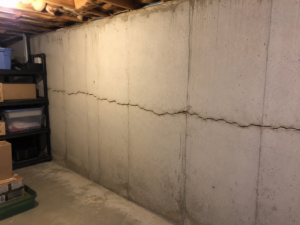
What does a builder look for? Diagonal cracks running from the corners of windows and doors. Horizontal cracks in basement walls, which are more serious than vertical ones. Floors that slope noticeably. Doors and windows that no longer fit their frames correctly. Water intrusion in basement corners. These are the signs that deserve immediate attention before any offer is made.
A cosmetic crack versus a structural crack is a distinction that takes real experience to make reliably. Jim has been making that distinction for fifty years and training his brokers along the way.
6. Electrical, Plumbing and HVAC: Where the Real Money Hides
These are the systems buyers never see and almost always underestimate.
Electrical: A full electrical panel replacement and rewiring of an older Denver home can run $8,000 to $20,000. Certain older panel brands — Zinsco and Federal Pacific in particular — are known fire hazards that many insurance companies will not cover. Aluminum wiring, common in homes built in the 1960s and 1970s, carries elevated fire risk and can require significant remediation. A builder who has worked on homes of every era knows exactly what to look for and which red flags require immediate attention.
Plumbing: Older Denver homes may have original galvanized steel pipes that are corroding from the inside out, restricting water flow and eventually failing. Polybutylene pipe, installed in many homes through the 1990s, has a history of catastrophic failure and is no longer covered by many insurance policies. Full replumbing of a home can run $10,000 to $25,000. Knowing to look for these systems before you make an offer is the difference between a negotiating chip and a post-closing crisis.
HVAC: A new furnace and air conditioning system in Denver runs $8,000 to $15,000 installed. A full HVAC replacement including ductwork can push significantly higher. Systems have a useful life of 15 to 20 years and a system that is at or beyond that age is a liability that should be reflected in your offer price. Denver winters make a failing furnace more than an inconvenience. It is an emergency.
These systems are largely invisible during a showing. But a trained eye knows which questions to ask, which access panels to open, and which age indicators to check. Legacy 100’s brokers are trained to look at all of it.
7. The Red Flags That Mean Walk Away Immediately
Some issues are negotiable. Some are deal-killers. After fifty years Jim has a clear list of the latter.
Active water intrusion in the basement. Not old staining but active moisture coming through walls or floors right now. This is a drainage, grading, or waterproofing problem that can be extraordinarily expensive to resolve and that will cause ongoing damage if ignored.
Significant horizontal foundation cracks. As noted above, horizontal cracks indicate lateral pressure on foundation walls, a structural issue that is expensive to fix and potentially dangerous to ignore.
Evidence of major unpermitted work. Additions, garage conversions, electrical work done without permits are not just cosmetic concerns. They represent potential safety issues, insurance complications, and resale problems that can haunt a buyer for years.
Roof decking that is soft or bouncy. If you can access an attic and the roof decking moves underfoot, the structure beneath the shingles is compromised. This is not a repair, it is a replacement.
Strong musty odor throughout the home. Persistent mustiness often indicates mold which can range from a minor remediation to a five-figure project depending on the extent and the cause. If the source of moisture is not resolved, mold comes back.
Significantly out of level floors throughout the home. Minor settling is normal in older homes. Floors that slope dramatically in multiple directions suggest foundation movement that has been ongoing and may not be finished.
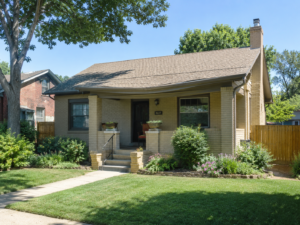
8. Jim’s Essential Checklist: What to Look Out for When Buying a House
Use this checklist every time you walk through a property. Better yet, walk through it with a Legacy 100 broker who has been trained to see what it takes decades of building experience to recognize.
From the street before you enter:
- Roofline — does it sag or bow anywhere?
- Chimney — is it plumb and is the mortar intact?
- Foundation — can you see the foundation from grade and does it look uniform?
- Grading — does the ground slope away from the home or toward it?
- Gutters and downspouts — are they intact and do they direct water away from the foundation?
Exterior walls and windows:
- Cracks in brick or stucco — diagonal cracks at window corners are significant
- Windows and doors — do they appear square in their frames?
- Wood trim and siding — signs of rot, paint failure, or moisture damage?
As soon as you enter:
- Smell — musty, moldy, or chemical odors are immediate flags
- Floors — do they feel solid and level underfoot?
- Ceilings — any water stains, sagging, or discoloration?
- Doors — do they open and close smoothly or do they stick?
Basement:
- Water staining on walls or floor — old or active?
- Cracks in foundation walls — vertical, horizontal, or diagonal?
- Sump pump — is there one and does it appear to be working?
- Any efflorescence (white mineral deposits) on concrete walls — sign of water movement
Mechanical systems:
- Age of furnace and water heater — look for the manufacture date on the label
- Electrical panel — brand, age, and condition
- Visible plumbing — what material and what condition?
- Attic access if available — insulation, ventilation, and roof decking condition
Don’t Fall in Love With a Problem
The most expensive real estate mistakes are not made at the negotiating table. They are made at the showing, when a buyer falls in love with the light and the layout and stops paying attention to everything else.
Jim built Legacy 100 on the belief that a great broker protects you before you need protecting. That means bringing fifty years of construction knowledge to every showing, training a team to see what builders see, and making sure that by the time you write an offer, you are doing it with both eyes open.
The homes that pass Legacy 100’s builder’s eye are homes worth buying. The ones that do not- you will be very glad you never fell in love with them.
For more on the buying process in Denver, our Complete Denver Real Estate Guide and Denver Home Buyer FAQ cover everything you need to know from search to closing. And our Denver Mortgage Lender Guide will help you make sure your financing is as solid as the home you are buying.
Our experience. Your legacy.
Contact Legacy 100 Real Estate Partners today and let a builder’s eye protect your next purchase.
- Colorado Division of Real Estate — Home Buyer Resources: https://dre.colorado.gov
- InterNACHI Home Inspection Checklist: https://www.nachi.org/inspection-checklist.htm